Maintenance
Seasoning, cleaning and storing cast iron without the folklore
What seasoning actually is, the manufacturer's own oven temperature and bake time, and how to deal with rust, sticking and a pan that has been left wet.
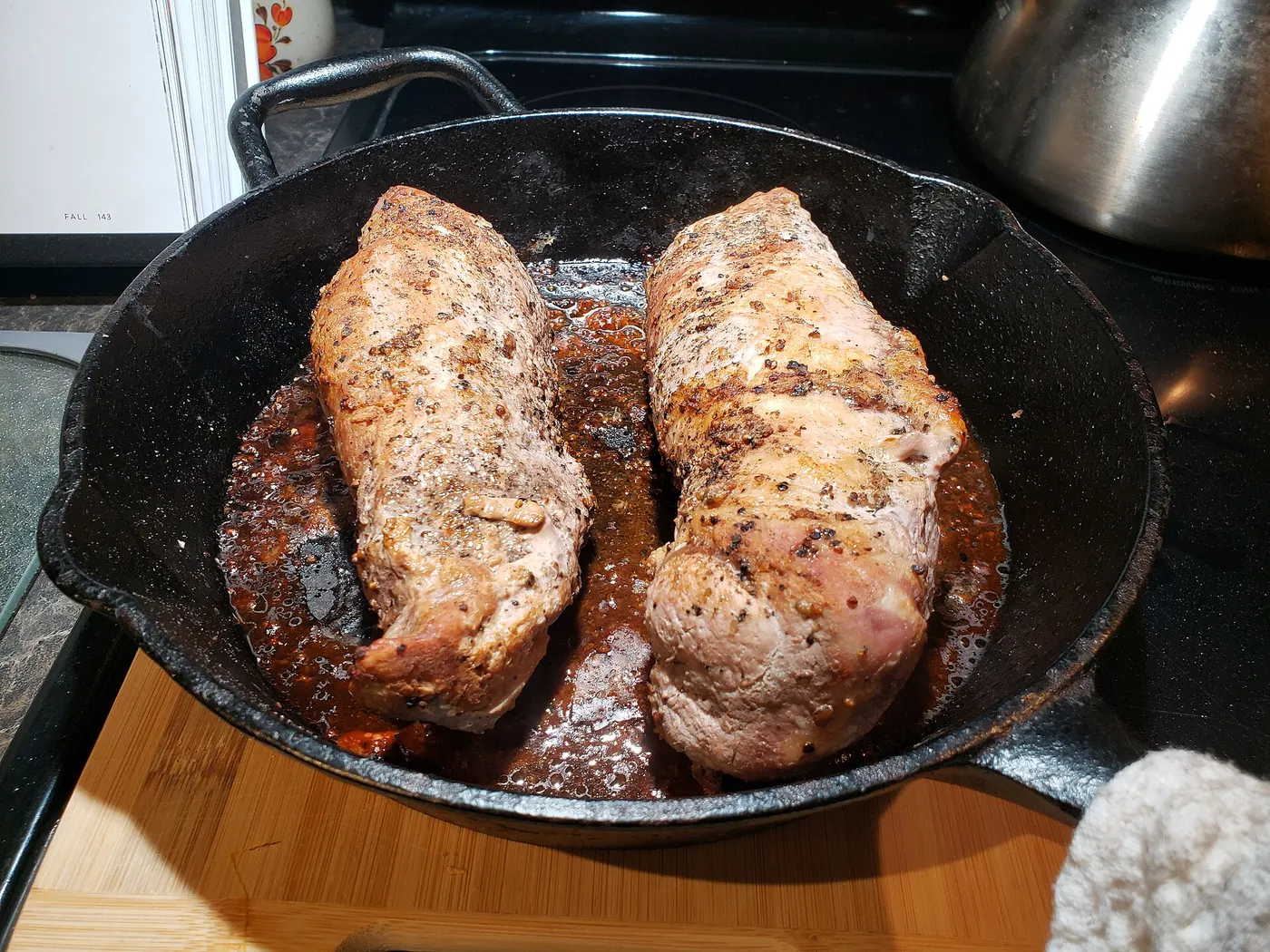
Cast iron collects more folklore than any other object in a kitchen, most of it about soap. The physical process underneath is simple and documented by the manufacturers themselves: a thin layer of oil is heated past the point where it polymerises and bonds to the iron, and repeating that builds a hard, slick layer that is part of the pan rather than sitting on it.
This guide follows the manufacturer's own published method, then covers the three things that actually go wrong: rust, sticking, and a pan stored damp. Nothing here was tested by us, and the oven figures come from Lodge's own care documentation rather than from memory.
What seasoning is, and the published method
Lodge describes seasoning plainly as oil baked onto the pan, and states that its cookware is seasoned with 100 percent vegetable oil in the foundry before it is sold. That means a new pan arrives with a base layer already on it, and what you do at home is add to that layer rather than create it from nothing.
The published method is four steps. Wash the pan with warm soapy water and dry it completely. Add an extremely thin layer of a high smoke point oil to every surface, inside and out, with a cloth or a lint-free paper towel, using Lodge's own test: not enough to drip or run when you tilt it. Put foil on the bottom oven rack to catch drips and set the pan upside down on the centre rack. Bake at 450 to 500°F for 1 hour, then turn the heat off and let the pan cool in the oven, which the manufacturer says helps the seasoning adhere.
Note the oil choice. Lodge's test kitchen names vegetable oil, melted shortening or canola oil, all high smoke point oils. The temperature range exists because the oil has to pass its smoke point for the layer to polymerise, and an oil with a low smoke point will smoke heavily long before it bonds.
- Wash with warm, soapy water and dry the pan completely
- Apply an extremely thin layer of high smoke point oil to every surface, inside and out
- Wipe it back until nothing drips or runs when the pan is tilted
- Lay foil on the bottom rack and set the pan upside down on the centre rack
- Bake at 450 to 500°F for 1 hour
- Turn the oven off and let the pan cool inside it
Day-to-day cleaning is three steps
Lodge reduces routine care to three steps: wash, dry, and rub with oil. The washing is done while the pan is still warm, the drying is done immediately and thoroughly, and the oiling is a thin wipe over the cooking surface before the pan goes away. The whole routine takes under 2 minutes and it is the entire maintenance programme for a pan that gets regular use.
The step that does the damage when skipped is the drying. Iron rusts because water is left on it, not because soap touched it, and a pan left to air dry in a rack is a pan that will have orange bloom on it within days in a humid kitchen. Drying on a warm hob for 30 seconds removes the water in every pore of the surface rather than just the visible film.
Stuck-on food comes off with coarse salt and a paper towel, a stiff brush, or a chainmail scrubber, all of which clean without stripping the polymerised layer. What does strip it is prolonged soaking, a dishwasher cycle, and oven-cleaner style caustics, and each of those simply puts the pan back to the start of the seasoning process rather than ruining it permanently.
| Symptom | What has happened | What to do |
|---|---|---|
| Orange bloom on the surface | Surface rust from water left on the iron | Scrub back to bare metal, then one full seasoning cycle |
| Food sticking in patches | Thin or uneven seasoning in those spots | Cook fatty food in the pan, or one more oven cycle |
| Sticky, tacky film | Too much oil applied before baking | Scrub off, re-oil far thinner, bake again |
| Black residue on a paper towel | Loose carbon from cooking, not seasoning | Wipe out; it is cosmetic |
| Grey metallic streaks after tomato | Acid has thinned the layer locally | Re-oil and cook something fatty; keep acid to short contact |
Rust, restoration and the pans worth saving
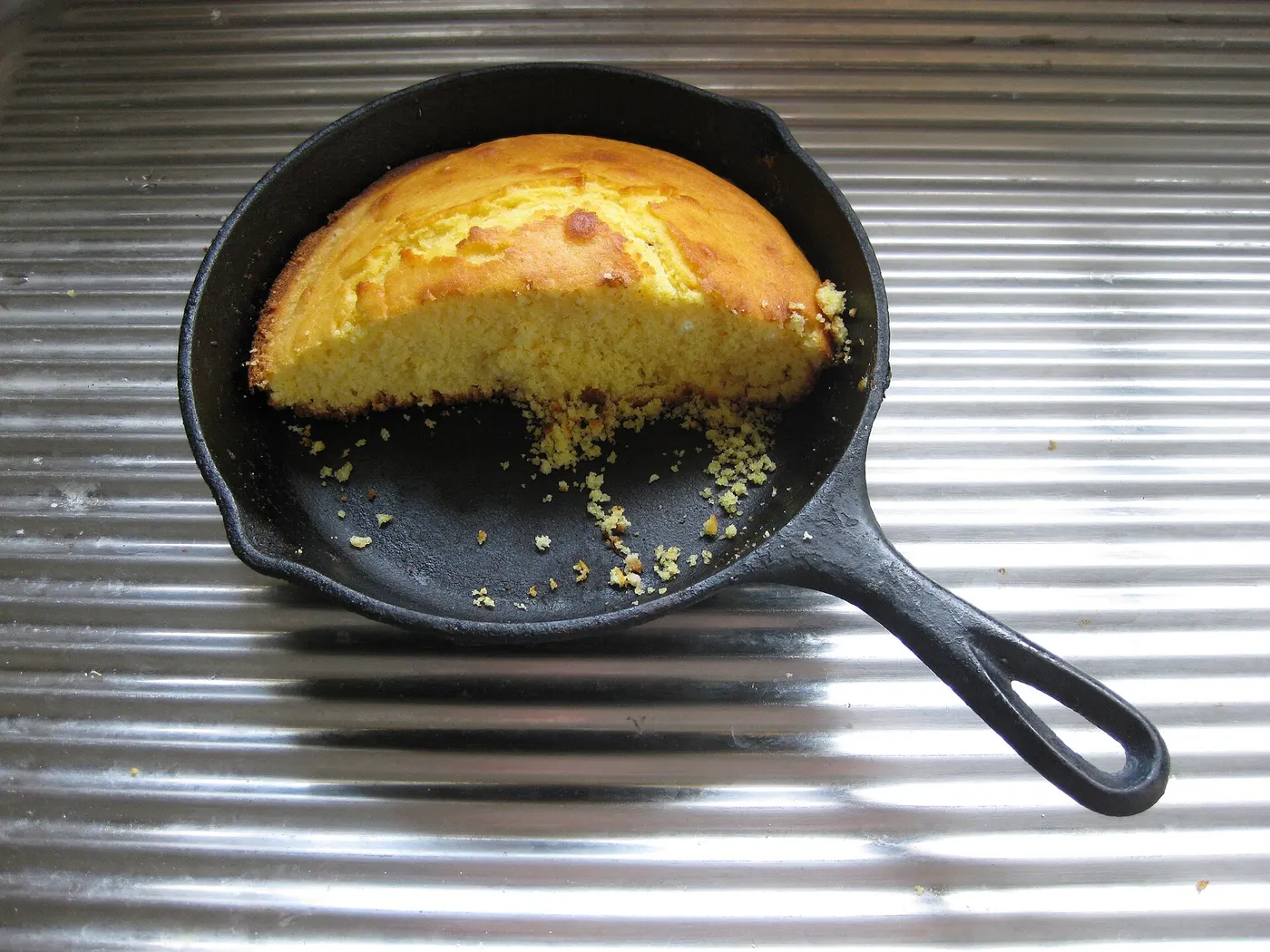
A rusted pan is not scrap. Surface rust comes off with steel wool or a wire brush, and then the pan needs the same oven cycle as a new one: thin oil, upside down, 450 to 500°F for 1 hour, cooled in the oven. A badly neglected pan usually takes two or three cycles to feel right again, which is about 3 hours of oven time spread over a weekend.
On the energy arithmetic from the costs guide, three cycles at roughly 1.5 kWh each is 4.5 kWh, or about 82 cents at 18.16 cents per kilowatt-hour. That is the entire restoration cost of a pan that would otherwise be thrown away, and it is why old cast iron keeps turning up in working condition decades after it was made.
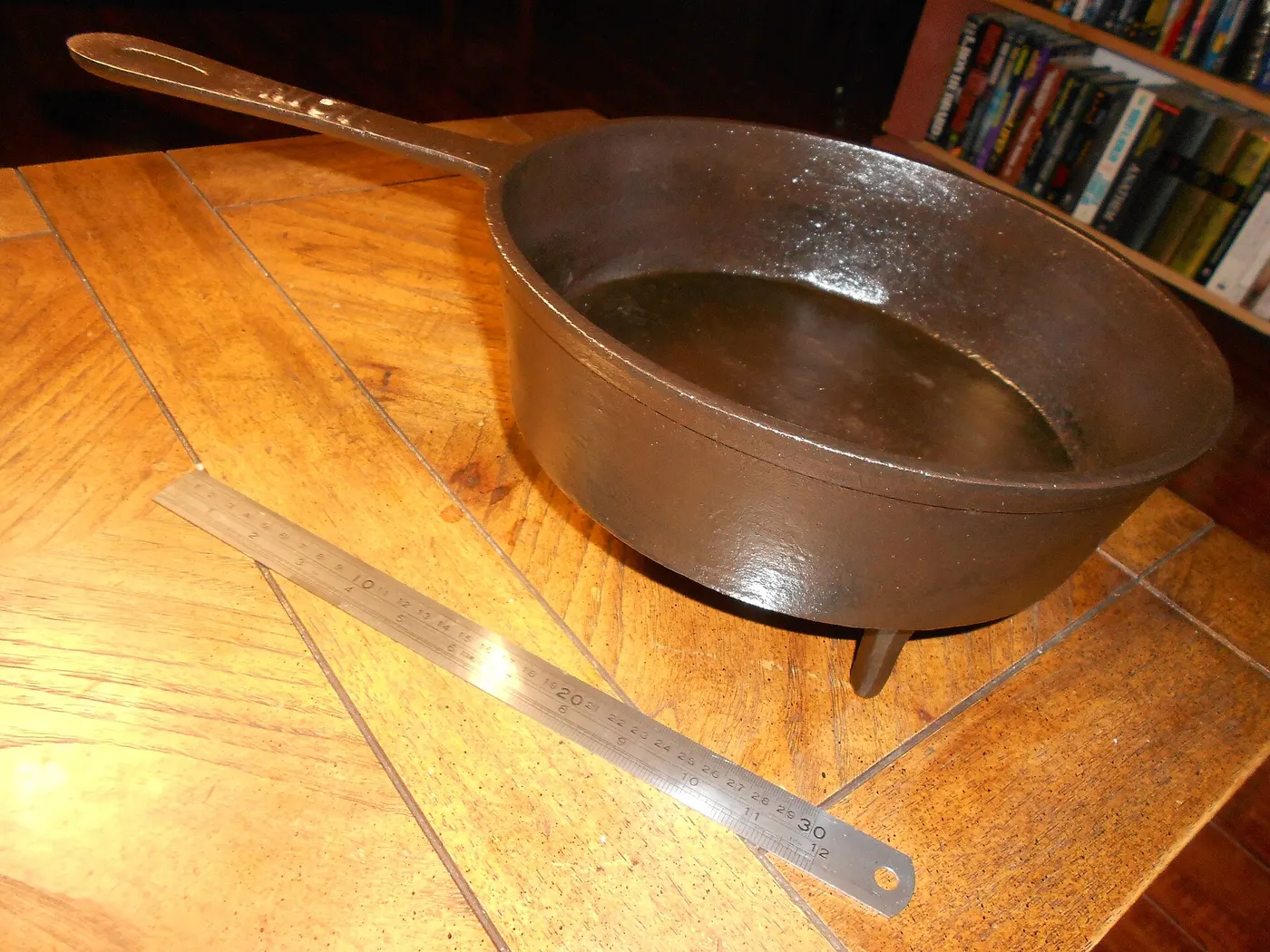
What cannot be restored is a crack, a warp that makes the pan rock on a flat surface, or a pitted surface that has lost metal. Those are the three failure modes worth checking before spending the oven time, and all three are visible by laying the pan on a flat counter and looking along the base.
| Stage | Time | Energy | Cost at 18.16 cents per kWh |
|---|---|---|---|
| Scrub back to bare metal | about 30 minutes of work | none | $0 |
| First seasoning cycle | 1 hour | 1.5 kWh | about $0.27 |
| Second cycle | 1 hour | 1.5 kWh | about $0.27 |
| Third cycle | 1 hour | 1.5 kWh | about $0.27 |
| Total | 3 hours of oven time | 4.5 kWh | about $0.82 |
The 1 hour bake and the 450 to 500°F range are Lodge's published figures. The kWh estimate is arithmetic from a typical electric oven's cycling draw, not a meter reading.
Storage is where pans are quietly lost
Stacked pans abrade each other's seasoning, and a damp cupboard undoes a week of careful drying. The fix costs nothing: a folded paper towel or a felt pan protector between stacked pieces, and storage somewhere with air movement rather than a sealed box.
Lids are the specific trap. A lid left on a stored cast iron pan seals moisture inside it, and a pan that was dry when it went away can be blooming with rust a month later. Store lids alongside rather than on, or leave them a finger's width ajar.
The last storage decision is use frequency. A pan used 4 times a week maintains itself, because every fatty cooking session adds to the layer. A pan used twice a year needs an oil wipe before it goes away and a check before it comes out, and if that is the pattern, a smaller pan kept in rotation is usually a better purchase than a large one kept in a cupboard.
Before you buy
- Wash, dry and wipe with oil after every use, which takes under 2 minutes
- Dry on a warm hob for 30 seconds rather than in a drying rack
- Use a high smoke point oil, applied thin enough that nothing runs when the pan is tilted
- Bake upside down at 450 to 500°F for 1 hour and cool the pan in the oven
- Keep acidic cooking to short contact, or use an enamelled pan instead
- Put a paper towel or felt protector between stacked pans
- Store lids beside the pan, not sealed on top of it
- Lay any second-hand pan on a flat counter and check it does not rock before restoring it
Questions readers ask
- Can I use soap on cast iron?
- Yes. Lodge's own seasoning instructions begin by washing the pan with warm, soapy water before the oil goes on. Modern dish soap is a detergent, not the lye-based soap that stripped seasoning a century ago. What harms the layer is prolonged soaking, a dishwasher cycle and caustic cleaners, none of which is the same as washing.
- How often should I re-season?
- Only when the pan tells you to, by sticking in patches or showing bare grey metal. A pan used 4 times a week with fatty food often goes years without an oven cycle. A pan used occasionally, or one used mostly for acidic sauces, needs a cycle more often, and the whole process is 1 hour of oven time.
- Why did my pan come out sticky?
- Too much oil before baking. The oil has to be wiped back until nothing drips or runs when the pan is tilted, and a thicker film polymerises unevenly and leaves a tacky surface. Scrub the sticky layer off, re-oil far more thinly and bake again at 450 to 500°F for 1 hour.
- Is a rusted pan from a junk shop worth restoring?
- If it is not cracked, warped or pitted, yes. Scrubbing plus three seasoning cycles is about 3 hours of oven time and around 82 cents of electricity at 18.16 cents per kWh. Lay it on a flat counter and look along the base first, because a rocking pan will never sit flat on a hob.
- Can I cook tomatoes in cast iron?
- For short contact, yes. Acid thins the polymerised layer where it sits, so a quick deglaze is fine and a two-hour tomato braise is not. For long acidic cooking, an enamelled pan or clad stainless is the right tool, because neither has a seasoning layer to lose.
Sources
- Lodge Cast Iron — How to Season (oven temperature range, bake time, oil choice and cooling step) — checked 2026-11-03
- Lodge Cast Iron — Seasoned Cast Iron Cleaning and Care (wash, dry, rub with oil; foundry seasoning with vegetable oil) — checked 2026-11-03
- U.S. Energy Information Administration — Electric Power Monthly, Table 5.3, average retail price of electricity to residential customers — checked 2026-11-03
Some links on this site can earn us a commission. That does not change which product a guide recommends, and it adds nothing to your price. Advertising is not enabled on this site yet. When it is, ads will be labelled and kept visually separate from the guides.